
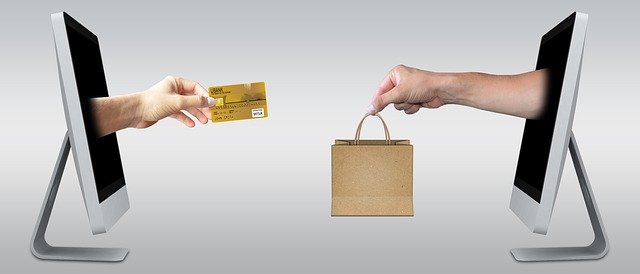
In an era where digitalization is the new norm, moving into ecommerce has become an essential part of business strategy. This blog post was created by SGO Website Design and explores the importance of having an online store, its impact on business growth, and how it can be a pivotal factor in a competitive market.
💡 Did you know? The global ecommerce market is expected to reach $8.1 trillion by 2026.
📑 Table of contents
- Why is an online store important?
- "If your business is not on the internet, then your business will be out of business," Bill Gates
- The convenience factor: How does an online store make the shopping experience easier?
- Cost-benefit: Can online stores save money?
- Market reach: Can your online store access a global market?
- Flexibility: How can an online store be a 24/7 salesperson?
- Is your business ready for an ecommerce site?
Why is an online store important?
In today’s digital era, an online store is essential for businesses of all sizes. The internet has revolutionized shopping, and consumers now expect the convenience of browsing and buying from home. An online store allows businesses to meet these expectations and tap into a massive pool of potential customers.
With the rise of ecommerce, traditional stores face fierce competition from online retailers. Building an online store allows businesses to stay relevant and competitive in an ever-evolving market. It offers a platform to showcase products or services to a broader audience, including those who may not have physical access to the store. This increased visibility can lead to higher sales and revenue for the business.
Additionally, an online store provides businesses with the ability to collect valuable customer data and insights. Using various analytics tools, businesses can track behavior, preferences, and buying patterns. This information can be used to tailor marketing strategies, improve customer experience, and drive sales. This data is invaluable in today's business landscape.
Additionally, an online store eliminates geographical limitations and opens opportunities for businesses to reach a global market. With the click of a button, customers from different countries and time zones can access and purchase products or services. This expands the customer base and growth potential, allowing businesses to scale and expand their operations beyond physical borders.
"If your business is not on the internet, then your business will be out of business," Bill Gates
Bill Gates, co-founder of Microsoft and a tech industry leader, famously stated: “If your business is not on the internet, then your business will be out of business.” This highlights the critical role of an online presence in the modern business landscape.
Gates' statement reflects the reality of the modern market, where consumers increasingly rely on the internet to research, compare, and make purchasing decisions. With the growing popularity of online shopping, businesses that fail to establish an online presence risk losing out on a significant portion of potential customers.
The internet has changed how people discover and interact with businesses. It is now the primary channel for marketing, communication, and transactions. Without an online presence, businesses limit their ability to reach their target audience. They miss the opportunity to showcase products, build brand awareness, and attract new customers.
Furthermore, an online presence allows businesses to stay connected with their customers 24/7, providing them with a platform to address inquiries, provide support, and maintain strong customer relationships. This constant availability improves customer satisfaction and helps build trust and loyalty.
In today's highly competitive market, where new businesses emerge daily, a strong online presence is essential to stand out. It allows businesses to differentiate themselves, communicate their unique value proposition, and establish credibility.
The convenience factor: How an online store simplifies the shopping experience.
Convenience is a primary benefit of an online store. With just a few clicks, customers can browse a wide selection and make purchases from home, eliminating the need to visit physical brick-and-mortar stores and saving time. Additionally, 24/7 availability allows customers to shop whenever it suits them.
Furthermore, online stores allow customers to compare prices, read reviews, and gather product information before purchasing. This empowers consumers to make informed decisions and ensures they get the best value for their money. Online stores also offer personalized recommendations based on browsing and purchase history, making the shopping experience more efficient.
Another aspect of convenience is ease of payment. Customers can pay securely using various methods, like credit cards, digital wallets, or even cash on delivery. This eliminates physical cash handling and provides a secure, seamless transaction experience.
Returns and exchanges are also easier with online stores. Most online retailers have flexible return policies, allowing customers to initiate returns online and have items picked up from their doorstep. This hassle-free process saves customers from visiting physical stores and waiting in long lines.
Cost-effectiveness: Can online stores save you money?
Online stores can indeed save money for both businesses and customers. First, setting up an ecommerce site requires a significantly lower initial investment than a physical store. Costs for rent, retail space, staffing, and inventory maintenance are drastically reduced or eliminated. This allows businesses to allocate resources more efficiently into marketing or product development.
Additionally, online stores can save money by reducing overhead costs. Physical stores often require expenses for utilities, maintenance, and other operational costs. On the other hand, managing an online store typically involves lower overhead, as most operations can be automated or managed remotely. These savings can translate into lower prices for customers, making online shopping more attractive and affordable.
Another way online stores save money is through inventory management. Businesses can adopt a just-in-time inventory strategy, ordering products only as needed. This prevents the need for excessive stock and reduces the risk of obsolete items. By minimizing holding costs, businesses improve cash flow and reduce the risk of losses from inventory write-offs.
Furthermore, online stores allow businesses to reach a wider audience and increase sales without needing additional physical locations or massive marketing efforts. Through effective digital marketing strategies, businesses can target specific demographics and attract customers from various geographical areas. This scalability allows businesses to grow their customer base and revenue without incurring significant overhead.
Reach: Can your online store access a global market?
One of the most significant advantages of an online store is the ability to access a global market. Unlike a physical store limited by geographical location, an online store can reach customers worldwide. This opens a world of opportunities for businesses to expand their customer base and increase sales.
With an online store, businesses overcome barriers of distance and time zones. Customers can browse and buy at their convenience, regardless of location or time of day. This 24/7 flexibility maximizes sales potential by serving customers across different time zones.
Moreover, the web provides a platform for businesses to showcase products to a global audience. Effective digital marketing strategies allow for targeting specific regions or demographics, increasing visibility and attracting customers worldwide. This global reach significantly boosts sales and revenue, especially for niche or unique products.
Moreover, the online store model allows for easy international shipping and logistics. With advancements in ecommerce platforms and shipping services, businesses can efficiently fulfill orders for customers worldwide. This seamless process allows businesses to establish a reputation for reliable and efficient delivery, further boosting customer trust and loyalty.
Expanding into a global market also allows businesses to diversify revenue streams. By targeting different regions or countries, businesses reduce the risks of relying solely on a local market. This diversification helps businesses withstand economic fluctuations and ensures long-term sustainability.
Flexibility: How can an ecommerce site act as a 24/7 salesperson?
A key benefit of an online store is its ability to act as a 24/7 salesperson for your business. This flexibility allows customers to shop at any time, without being restricted by physical store hours. Here are three ways an online store provides round-the-clock sales support:
- 1. Customer convenience:
Online stores offer unparalleled convenience for customers, as they can browse and make purchases at any time that suits them. Whether it is early in the morning, late at night, or even on holidays, an online store is always accessible. This convenience factor ensures that customers can shop whenever they have the time or desire, leading to increased sales opportunities for your business. - 2. Automated sales processes:
Through automation, an online store handles sales without constant human intervention. Customers can place orders, pay, and receive confirmations automatically. This removes the need for manual processing, allowing your business to run smoothly even when you are away. Furthermore, automated systems manage inventory, update product info, and provide personalized recommendations to enhance the customer journey. 3. Time zone and global reach advantage:
The ability to reach customers worldwide means catering to different time zones. While your team sleeps, customers elsewhere can keep shopping. This ensures sales opportunities aren't limited by geography. By operating 24/7, you can tap into international markets and increase revenue from global customers.
Is your business ready for an ecommerce site?
Transitioning to an online store can be a pivotal step for your business, but it is important to evaluate if you are ready for the leap. Here are some key factors to consider before making the move:
- 1. Market demand:
Assess the online demand for your products or services. Research the shopping habits and preferences of your target audience. If there is significant digital demand for what you offer, it is a strong indicator that moving to an online store will be beneficial. - 2. Infrastructure and resources:
Evaluate your business infrastructure to determine if you have the tools to support an online store. This includes a reliable website, secure payment gateway, inventory management system, and a dedicated team to handle online orders and customer inquiries. - 3. Competitive landscape:
Analyze your competitors to see if they already have an online presence. If they are successfully selling online, you must stay competitive to avoid falling behind. Moving to an online store helps you stay relevant and capture a larger market share. - 4. Customer relations:
Consider how the transition to an online store might affect your current customer relationships. Will they embrace the change, or will it impact their brand loyalty? Connect with your customers and gather feedback to gauge their readiness to shop online and their expectations. - 5. Marketing and promotion:
Evaluate your marketing capabilities and strategies. Moving to an online store requires a strong online marketing presence to drive traffic and generate sales. Assess whether you have the resources and expertise to effectively market your products or services online and reach your target audience.
The digital marketplace has reshaped business, making an online store a necessity rather than an option. It is a cost-effective, convenient, and flexible platform to showcase your products and reach a global audience. Ignoring the importance of an online store could mean missing out on significant growth.
Don't wait any longer, launch your own online store now!
An online store lets you reach customers beyond your physical area, opens an additional sales channel and operates at any hour without the limits of a physical store.
Lower operating costs, a wider audience, real-time inventory management, accurate data on customer behavior, and rapid scalability.
Through personalized product recommendations, a streamlined checkout process, multiple payment methods, simple return policies, and fast response times.
Secure payment gateways, SSL encryption, mobile responsiveness, fast load times, SEO infrastructure, and inventory management integration.
To expand your online store's presence, check out the tools and guides from Google Merchant Center.
Want an online store that actually sells?
The SGO team builds custom online stores designed to increase sales.
Get a quoteFor more on this topic, we recommend reading our guide on the importance of an online store.
To learn more, we recommend reading our guide on setting up an online store.
Want a website that delivers results? Talk to us
For a custom quote, leave your details and we will get back to you.
Get a quoteLast updated: April 2026
Want to promote your business on Google? SGO’s SEO drives traffic, leads, and customers.
Planning a new site? Professional website design by SGO: design, development, and results.